How are infill and finish chosen for a sliding gate

Why do infill and finish matter on a sliding gate?

Infill and finish matter because they set the weight of the leaf and the life of the steel, and a sliding gate carries both on a few wheels. A heavy solid panel loads the carriages, the track and the operator far more than an open picket leaf, and a thin finish gives out in a couple of summers. Both choices are made together with the frame, since each one changes what the frame and the posts must carry.
What infill styles are used?
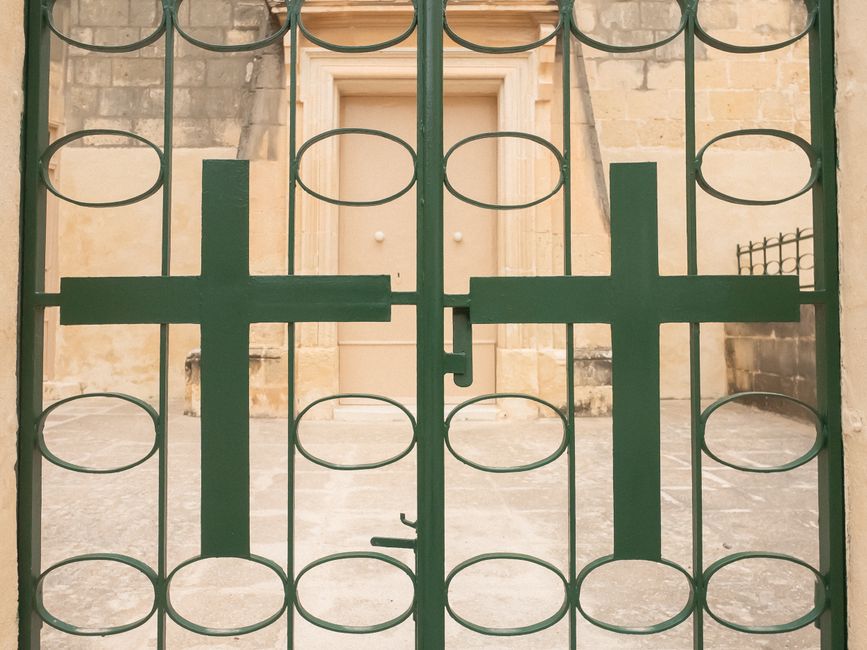
Three families cover most work: open pickets, horizontal slats and solid panels. Pickets are vertical bars welded between a top and bottom rail, either plain or with a decorative top. Slats are flat or tube sections laid horizontally with a gap between them, which gives a screen without a solid wall. Solid panels are sheet steel or tight boards welded or bolted into the frame. Each reads differently from the street and each acts differently in wind.
How does infill change the weight?
Open pickets weigh the least, since each bar is a small piece of tubing with air between. Slats weigh more, and solid sheet weighs the most by a wide margin. A twelve foot leaf with sheet steel infill can weigh several times what the same frame weighs with pickets. That weight lands on the carriage wheels, the bearings and the track or the posts, so a heavier infill calls for larger wheels, thicker tubing in the frame and a stronger operator.
What does wind do to a sliding gate?
Wind pushes on a solid leaf like a sail. Central Texas gets strong gusts ahead of spring storms, and a tall solid sliding gate takes the full push sideways against its carriages and guide rollers. Open pickets let air through and carry far less load. A solid leaf in an exposed spot near the San Gabriel River floodplain wants heavier guide rollers, stiffer posts and a deeper footing, while a picket leaf in a sheltered yard needs none of that.
How is privacy balanced against weight?
Privacy and weight pull in opposite directions. A solid panel hides the drive completely and weighs the most. Slats with a narrow gap hide most of the view at an angle and weigh less. Pickets set close together screen a little and keep the weight low. Many owners choose a solid lower section topped with open pickets, which hides the cars and the clutter at ground level while the upper half stays light and lets air through.
What frame goes with each infill?
The frame is sized to the infill. Pickets sit comfortably in square tubing with a modest wall. Slats and solid panels need a heavier outer frame with diagonal bracing, since the added weight tries to rack the leaf out of square. The bottom rail takes the most load on a cantilever gate, and it is often a taller section than the top rail. All joints are welded all the way around, and the welds are ground smooth where a coating will lie over them.
What finishes protect the steel?
The common systems are hot dip galvanizing, primer with paint and powder coat. Galvanizing coats the whole piece in zinc, inside and out, and it fights rust best at the welds and the tube ends. Primer and paint is the simplest system, but it needs touching up as chips appear. Powder coat is baked on in an oven and forms a tough, even skin, and the best results come from powder coating over galvanized steel or over a proper primer.
How does Central Texas weather test a finish?
Summer sun fades color and breaks down cheap coatings, so dark colors on a south facing gate run hot and age faster. Humid spells and spring rain keep moisture sitting at the joints, and any chip or pinhole in the coating lets rust start. Limestone dust and gravel scratch the lower rail where vehicles throw them. A gate that spends its life in full sun gains from a good coating more than any other part of the build.
Which details prevent rust?
Rust starts where water sits, so the frame is built to shed it. Tube ends are capped or sealed, bottom rails get drain holes, and flat ledges are avoided. Welds are cleaned of slag before coating. Fasteners are galvanized or stainless. The bottom rail is kept off the ground, since a rail that touches wet soil rusts from the outside in. These details cost little and decide whether the finish lasts a few years or many.
How does the finish interact with moving parts?
Carriage wheels, axles and guide roller surfaces must stay bare and smooth, so the coating is masked off or kept clear of those spots. Paint on a rail where a wheel rides flakes away at once and then fouls the bearing. A track rail is left in bare, greased steel or in galvanizing, and the powder coat stops short of any surface that rolls. Keeping the finish off moving surfaces is a small detail with a big effect on wheel life.
What about color and appearance?
Black is the usual choice and hides dust, but it absorbs the most heat. Bronze and dark gray give a softer look and run a little cooler. Lighter colors reflect heat and show every scuff. The color is picked to suit the house and the fence, and a gate that matches the trim of a historic home near Georgetown Square reads as part of the property instead of an add-on. Texture finishes hide small scratches better than a smooth gloss.
What is a sound way to decide?
Start with how much privacy the drive needs, then set the weight limit the track or the posts allow, then pick a finish that matches the sun and the budget of effort the owner will put in. Open pickets with galvanizing and powder coat make a light, durable gate. A solid lower panel with open pickets above is the middle path. A fully solid leaf is the heaviest and wants the biggest frame, the deepest footings and the strongest operator.
How does the infill affect the operator and its wiring?
A heavier infill raises the push the operator must deliver, so the motor, the gearbox and the drive chain or rack are sized to the finished weight of the leaf, never to the bare frame. A leaf that was quoted as pickets and later changed to slats can overload an operator that fit the first design. The wiring run for power and safety sensors is planned at the same time as the infill, since a solid panel can hide a conduit path and an open picket leaf cannot.
How is the infill attached to the frame?
Pickets are welded to the top and bottom rails, usually through a small notch so the weld sits inside the tube and stays out of sight. Slats and sheet panels are welded at intervals or bolted behind a trim bar, which allows a damaged panel to be replaced later. Welding sheet over its full edge warps the steel in summer heat, so the welds are made in short stitches that let the metal cool, and the panel stays flat. A flat leaf closes cleanly against its stop and the latch post.
Which finish questions are worth asking before fabrication starts?
Ask whether the finish is applied before or after the infill is welded in, how the weld seams are sealed, and which surfaces stay bare. A leaf coated as one finished piece resists rust far better than one that is welded and then touched up on site. Ask also how long the shop needs between approval and delivery, because galvanizing and powder coating each add days to the schedule, and a gate with a premium finish takes longer to come back from the finisher than a simple painted one.